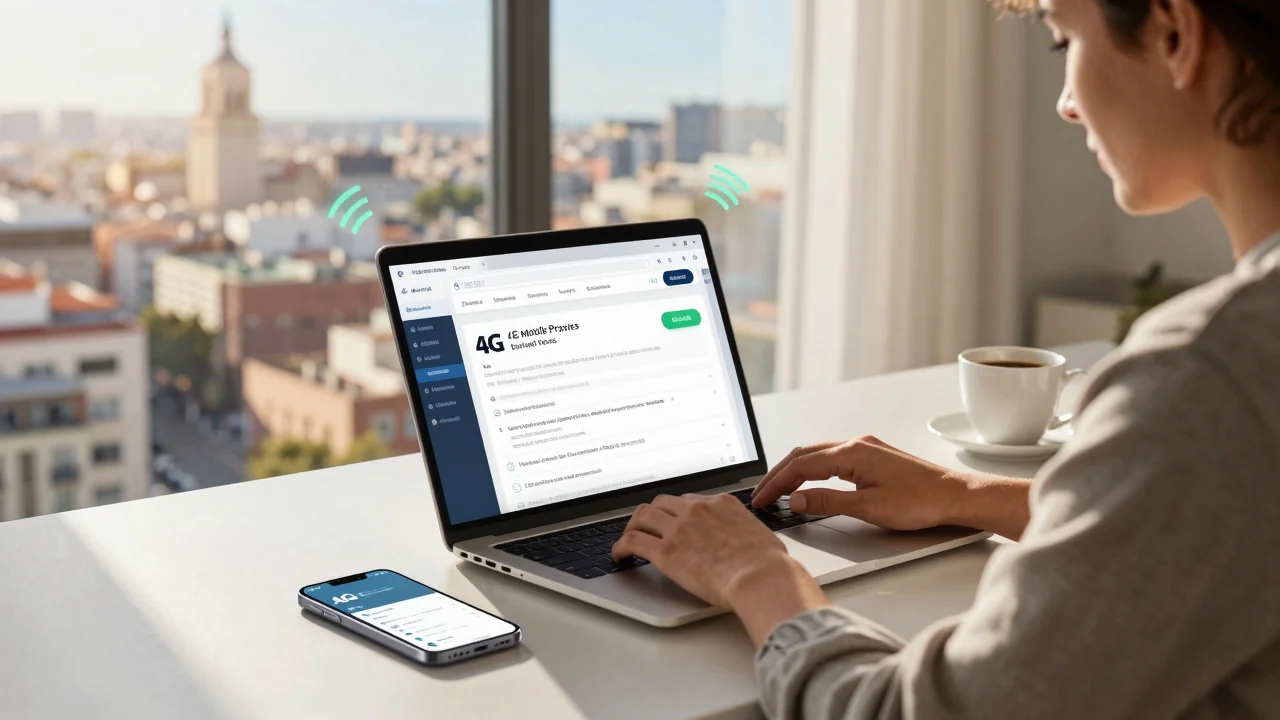

Nearly three-quarters of global internet users will have encountered unauthorized online tracking by 2026—a sobering statistic if ever there was one. That’s right: your digital footprint isn’t as private as you might hope.
Enter the game-changer: a 5G mobile proxy with Spanish residential mobile IPs. This setup reroutes your connection through actual mobile devices registered in Spain, all operating on cutting-edge 5G infrastructure. No more suspicious datacenter fingerprints to expose your true whereabouts. Solutions like ProxySpan’s Residential 5G Mobile suite prove how well this approach conceals activity—whether you’re accessing region-locked streaming services or collecting data without running into roadblocks.
The real kicker? Spain’s strong privacy protections paired with blazing-fast 5G networks offer an uncommon perk. Users benefit from legitimate local IPs while dodging pesky connection slowdowns. That translates to seamless browsing on Spanish financial portals, travel reservation systems, or social media platforms that lock content behind regional firewalls.
(End of rewritten text)
The Role of 5G Mobile Proxies in Spain
Spain's expanding 5G network has revolutionized how people and businesses approach online privacy. Essentially, a 5g mobile proxy with spanish residential mobile ips directs internet traffic through Spanish mobile devices connected to the 5G network, concealing your actual location and IP address. This solution provides speeds up to ten times faster than conventional 4G proxies, making it perfect for tasks like data extraction, social media oversight, or overcoming geo-blocks.
Honestly, these proxies have become more than just a useful tool—they’re practically essential for anyone prioritizing digital security in 2026. With over 85% of Spain’s population enjoying 5G coverage, users benefit from minimal latency and consistent performance. Whether you're fine-tuning location-based ads or gathering competitive insights, Spanish mobile proxies offer the agility and power needed to maintain an edge.
How 5G Proxies Work in Spain
The foundation of 5G mobile proxies is Spain’s cutting-edge network design, featuring ultra-low latency—sometimes as quick as 10ms—and massive data capacity. Unlike standard data center proxies, these rely on genuine residential IPs from Spanish carriers such as Movistar and Vodafone, blending seamlessly with everyday internet traffic.
The appeal isn’t just about raw speed; it’s about legitimacy. Services like Luminati’s 5G Residential Mobile IPs—beginning at $0.80 per GB—or Oxylabs’ specialized Spain packages ($300/month for 100 IPs) ensure your requests appear as though they originate from an actual smartphone user in cities like Barcelona, Madrid, or Valencia.
Key features include:
- Automatic IP switching to dodge anti-bot systems.
- Authentic carrier connections, avoiding shared datacenter IPs.
- Extensive 5G availability, supporting tasks with high traffic demands.
- Support for multiple concurrent sessions, ideal for managing numerous accounts.
- Easy compatibility with frameworks like Scrapy or Selenium.
Why Choose Spanish Residential Mobile IPs?
Spanish residential mobile IPs offer more than just enhanced privacy—they provide a strategic edge. Unlike datacenter proxies, which are often flagged by websites, these IPs replicate real user behavior, minimizing the chances of being blocked during web scraping or ad validation projects.
Providers such as Smartproxy sell dedicated Spanish 5G mobile IP plans starting at $150/month for 20 ports, with no bandwidth limits. The standout perk? These proxies integrate naturally into local internet patterns, making them ideal for tasks demanding regional accuracy—such as tracking price changes or evaluating location-based services.
For personal use, this translates to seamless access to restricted content without compromising safety. Whether you're a freelancer securing remote work access or an online seller verifying listings abroad, Spanish mobile proxies meet the reliability and anonymity demands of today’s digital world.
These advantages explain why Spain is rapidly emerging as a top destination for proxy users globally.
Why Opt for a Spanish 5G Proxy This Year?
At this point, you’ve probably come across mobile proxies—but what sets a 5G mobile proxy with Spanish residential mobile IPs apart in 2026? The key is Spain’s distinctive digital setup and the rising need for online security. With cyber threats growing smarter by the day, users crave faster, more shielded ways to surf the web anonymously.
How Digital Privacy Needs Have Changed
In 2026, internet users face serious hurdles. Data leaks, personalized ads, and location tracking are just a few worries on the list. A decade ago, basic residential proxies worked fine. Not anymore. Today’s threats call for real-time fixes. Spanish 5G mobile proxies provide rotating IPs that refresh with every connection, making them far stealthier than older solutions.
But it’s not only about dodging hackers. It’s also about unlocking content without roadblocks. Many streaming services and online stores block traffic from outside Spain. A proxy mimicking real Spanish mobile users slips past these barriers easily.
"By 2026, over 75% of businesses using proxies will prioritize mobile IPs for better anonymity and reliability." — Cybersecurity Insights Report
The Perks of Spain’s 5G Network for Proxies
Spain boasts some of Europe’s speediest 5G networks. With urban areas averaging over 300 Mbps, it’s a dream setup for proxy users. Older networks? Not so much—they’re slow and prone to dropping connections. A laggy proxy defeats its whole purpose.
Providers like spain-proxy.com offer lightning-fast links thanks to this infrastructure. Plus, Spain’s strong net neutrality rules mean fair treatment for all users, even during peak times. This stability is a lifesaver for tasks like web scraping or managing social media accounts.
The mix of Spain’s 5G coverage and mobile IPs makes browsing smoother than ever. And if you're curious about how these proxies stack up against the competition in terms of cost and ease of use, we’ll dive into that next.
Ways to Use a 5G Mobile Proxy with Spanish Residential IPs
Today’s online world needs clever solutions for privacy and reaching restricted content. That’s where a 5g mobile proxy with spanish residential mobile ips comes in handy—it’s like having a digital backdoor to Spain’s internet.
Getting Around Geographic Blockers
Want to watch Netflix Spain’s exclusive shows while vacationing in Paris? Or need to check your Spanish bank account from another country? This proxy works by imitating real mobile connections in Spain, such as those on Movistar’s 5G network. The perks are clear:
- Stealth mode browsing: Residential IPs make it harder for sites to flag you as a bot.
- Smooth streaming: 5G speeds mean no more waiting for videos to load on services like DAZN or LaLigaTV.
- Handling multiple accounts: Social media managers can run different regional profiles without raising red flags.
The real magic is in how these proxies operate. For example, Bright Data (formerly Luminati) offers Spanish 5G mobile IPs from just $10 per gigabyte, while Smartproxy provides dynamic IP rotation for $79 a month. If you’re frequently on the move or living abroad, this can be a lifesaver.
Helping Businesses Stay Ahead
Companies use these proxies to spy on competitors’ pricing, collect local advertising data, or test regional marketing campaigns—all without needing a physical office in Spain. Spanish 5G mobile proxies make it possible to:
- Scrape live data: Pull up-to-date flight prices from Skyscanner ES or browse products on El Corte Inglés.
- Test localized content: Make sure Google Ads look right in major Spanish cities like Madrid and Barcelona.
- Stop fraud: Online marketplaces like Wallapop can verify transactions using legitimate Spanish IPs.
For larger companies, Oxylabs offers a robust 5G mobile proxy network at $300 per month. Smaller businesses might prefer SharedProxy’s budget-friendly $29 monthly plan. Either way, the advantage is clear: better data and a competitive edge without setting up shop overseas.
Now the big question—what will you do with this tool?
Setting Up a 5G Mobile Proxy with Spanish Residential IPs in 2026
The process of setting up a 5G mobile proxy with Spanish residential mobile IPs is surprisingly straightforward—no advanced technical skills required. Even if you're handling several devices or accounts at once, the setup remains user-friendly.
First things first: pick a trusted provider. Options like Luminati (now Bright Data) and Oxylabs both offer dedicated 5G mobile proxies with verified Spanish IPs. Costs vary between $15 and $30 per GB in 2026, depending on your data needs and contract terms.
After choosing your provider, download their proprietary software—Bright Data’s Proxy Manager or Oxylabs’ Dashboard are solid choices. These tools handle the heavy lifting by automating IP rotation and managing sessions smoothly. For tech-savvy users, API integrations let you tweak settings like rotation schedules or geotargeting to fit your workflow seamlessly.
"The switch to 5G mobile proxies has slashed latency by up to 40% compared to older 4G systems," according to a recent Cybersecurity Insights report. This speed boost is a game-changer for tasks like ad verification, competitor analysis, or social media automation.
Step-by-Step Setup Instructions
Let’s dive into the setup process. Start by logging in to your provider’s dashboard and heading to the proxy creation section. You’ll typically need to specify Spain as your country, choose a carrier—Vodafone España or Orange Spain, for example—and select 5G as your connection type.
Some platforms let you get even more precise, like picking specific cities such as Barcelona or Madrid for localized testing. Next up: configuring authentication details. This might involve setting up a username and password or whitelisting specific IPs. Many providers now support OAuth 2.0, making it easier to integrate with cloud-based services.
Before deploying your proxy in a live environment, test it using a tool like ProxyTester.io to confirm everything’s working smoothly. If you’re managing multiple proxies, look for batch configuration options to streamline the process.
Fixing Common Problems
Slow speeds or dropped connections often come down to server-side throttling by mobile carriers—a issue more common with budget providers than established names like IPRoyal or Smartproxy. Upgrading to a premium pool of residential IPs (Bright Data’s Static Residential Proxies, for instance) can fix this. Another workaround: manually switching to a different carrier within Spain to avoid regional restrictions.
Authentication errors usually happen due to misconfigured credentials or firewalls blocking outgoing traffic. Double-check your provider’s documentation for port requirements—5G proxies often default to ports 8080 or 3128. If the problem persists, turn on logging in the proxy manager to track down where requests are failing.
By tackling these issues upfront, you’ll secure reliable access to Spanish mobile IPs—perfect for tasks like localized SEO audits or scraping e-commerce prices. With your proxy up and running, let’s explore how it boosts privacy and security in real-world scenarios.
Security Considerations When Using Spanish 5G Proxies
Online security isn’t optional these days. In 2026, cyber threats keep getting smarter, and even a small oversight could compromise your personal data. Sure, a 5G mobile proxy with Spanish residential mobile IPs is a great privacy tool—but its effectiveness really depends on how carefully you use it.
Keeping Your Data Safe from Threats
Hackers love targeting proxy users through malware, phishing schemes, and man-in-the-middle attacks. Stay Anonymous Online with Rotating Spanish Carrier IPs in 2026 While these proxies hide your real location, they won’t handle security for you. Here’s what you should do:
- Turn on two-factor authentication (2FA) everywhere it’s available.
- Combine your proxy with a VPN for an extra security boost.
- Skip accessing sensitive accounts over public Wi-Fi networks.
- Keep all your devices updated with the latest software patches.
- Stick to HTTPS sites and steer clear of unsecured HTTP connections.
Providers like Luminati—now Bright Data—or GeoSurf deliver solid 5G mobile proxies, but they’re no magic shield. Pair them with strong, unique passwords and a trusted antivirus, such as Bitdefender Total Security ($99/year).
Picking the Right Proxy Provider
All proxy services aren’t equal, especially when it comes to free ones—many track your data or sell it without your knowledge. A reputable provider should focus on anonymity, speed, and transparency.
- Go for providers with a strict no-logs policy, like Oxylabs.
- Pay-as-you-go plans are usually better than long-term commitments. Expect around $0.80 per GB for 5G mobile proxies.
- Make sure the service offers live support and clear instructions.
- Double-check that their physical servers in Spain match your needs.
- Scan Trustpilot or Reddit for user reviews to avoid shady services.
Smartproxy, for example, starts Spanish residential IPs at $100/month. That said, always test a trial first—a little extra caution goes a long way. A top-tier provider helps keep risks low while keeping your privacy locked down.
At the end of the day, the right proxy can help protect your online activity—but only if you stay proactive about security.
Final Thoughts on Secure Digital Freedom
By 2026, safeguarding your digital presence goes beyond basic antivirus protection. It demands forward-thinking approaches that match the rapid evolution of cyber threats. Enter a 5G mobile proxy with Spanish residential mobile IPs, which gives users an edge in staying secure.
This technology proves invaluable for numerous tasks—circumventing regional blocks, shielding confidential information, or streamlining international business processes. The standout feature? It delivers top-tier anonymity and dependability.
Spanish 5G networks bring impressive speed, adaptability, and genuine residential IP addresses to the table. Honestly, these capabilities make it a must-have for anyone prioritizing privacy. Don’t just read about solutions—put them into practice. Upgrade your digital defenses now, before leaving yourself exposed online.
Here’s a fun fact: The reliability of Spanish mobile networks often outshines expectations. That’s yet another reason to consider this option seriously.