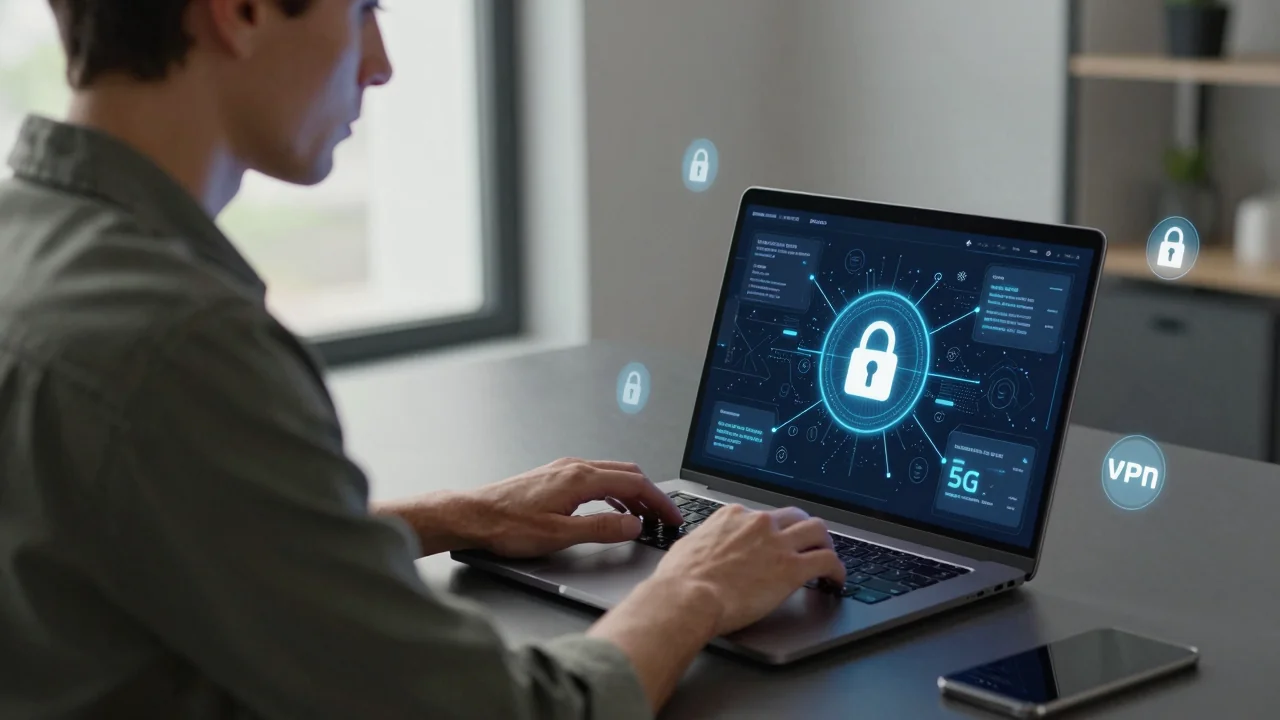
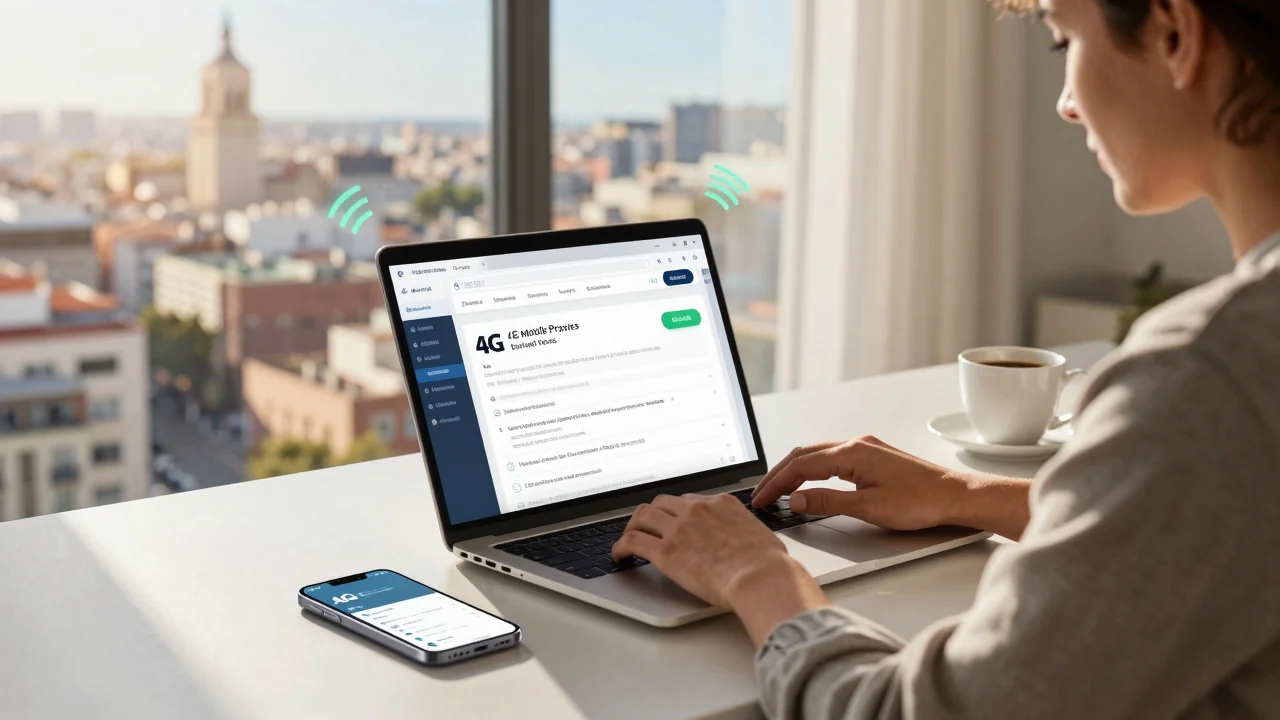
Ever found yourself staring at an ad on social media for something you searched days ago—on a different device? It’s unsettling, isn’t it? That’s the opposite of privacy; it’s digital spying. Fortunately, anonymous web surfing using Spanish 4G mobile proxies isn’t just possible in 2026—it’s becoming a necessity.
Consider a freelancer working from a café in Madrid, seamlessly accessing region-locked content without raising any red flags. Surf Anonymously in 2026 with Spanish 5G Carrier Proxies That’s the kind of freedom Spanish 4G mobile proxies provide. Thanks to carriers like Vodafone España and Orange, which offer blazing-fast 4G LTE networks (topping out at 300 Mbps), these proxies direct your traffic through secure mobile IPs. Tracking you becomes a real challenge.
You’re probably thinking: Why Spain? The answer lies in the country’s top-notch infrastructure and strong data protection laws under GDPR. With over 50 million active mobile subscriptions, the diversity of IP addresses ensures genuine anonymity. And here’s the good news—getting started isn’t complicated.
Want to learn more about how these proxies work, their perks, and expert tips for smooth browsing? Stay tuned; we’ve got you covered.
Why Opt for Anonymous Web Surfing Using Spanish 4G Mobile Proxies
Picture yourself browsing social media on a café's Wi-Fi network when, out of nowhere, an ad pops up for something you just discussed with a friend. Unsettling, isn’t it? This is the norm when your internet activity goes unprotected in 2026. Fortunately, there’s a way to stay under the radar entirely.
Anonymous web surfing using Spanish 4G mobile proxies provides privacy enthusiasts with an effective solution. These tools route your online traffic through a Spanish mobile network, effectively hiding your real IP address from advertisers, cybercriminals, and even government agencies. Essentially, it’s like putting on an invisibility cloak for your browsing sessions.
So why Spain? The country’s robust net neutrality regulations—enshrined in the Ley de Protección de Datos Personales y Garantía de los Derechos Digitales—make it a top choice for secure internet use.
Here’s what makes these proxies so compelling:
- Dynamic IPs: Providers like ProxyRack and Luminati offer rotating Spanish 4G addresses (prices start at $15 per month). This ensures that no two sessions share the same IP.
- High-speed connections: Devices such as the Huawei E8372 and TP-Link M7350 maintain speeds of 100–300 Mbps, ideal for streaming or gaming on the go.
- No-logs policy: Trusted services like Smartproxy enforce strict zero-data retention policies. This is a must-have in today’s surveillance-heavy landscape.
- Cost-effective plans: MobileProxy offers flexible pay-as-you-go options, letting you experiment for just $3 per day.
- Global access: Unlock geo-blocked content like Movistar Plus+ or HBO Max Spain without juggling multiple VPNs.
From evading targeted ads to safeguarding sensitive research, Spanish 4G proxies deliver a more intelligent approach to browsing. Setting them up couldn’t be simpler—let’s dive into the process.
How Spanish 4G Proxies Work for Anonymity in 2026
Imagine browsing an online store to compare prices between countries and suddenly noticing items vanish—or seeing artificially high costs because your location was detected. Annoying? Absolutely. Fortunately, anonymous web surfing using Spanish 4G mobile proxies offers a solution.
Here’s how it works: These proxies direct your internet traffic through genuine 4G networks run by major providers such as Vodafone España or Movistar. By doing so, they conceal your real IP address and replace it with a local one. Unlike traditional VPNs that depend on centralized servers, mobile proxies use hundreds of SIM cards spread across Spain’s key cities—Barcelona, Madrid, Valencia—to distribute requests efficiently. The outcome? Enhanced anonymity and smoother access to geo-blocked content without raising red flags.
Why Mobile-Based Proxy Networks Outperform Traditional VPNs
Mobile proxies have several advantages over VPNs. First, they avoid the obvious signs of VPN usage that websites can detect with advanced fingerprinting tools. Providers like spain-proxy.com offer plans starting at €25 per month for 10 dedicated Spanish IPs, all powered by high-quality carrier infrastructure. This setup delivers faster speeds compared to typical VPN server farms since your connection routes through real cellular towers instead of overcrowded data centers.
Another standout feature is IP rotation. Mobile proxies can automatically switch IPs every few minutes or per session, whereas most VPNs lock you into a single IP until you manually change servers. Consider the MobileProxy 4G LTE Router by ProxyRack, for example—it assigns IPs dynamically from its network of over 50,000 Spanish SIM cards, making it perfect for tasks like ad verification or social media management.
This flexibility isn’t just hypothetical. In 2026’s world of AI-driven bot detection, mobile proxies stay ahead by mimicking real user behavior—something even the best VPNs can’t fully replicate. But how do these benefits play out in practical scenarios?
Setting Up Anonymous Web Surfing with Spanish 4G Proxies
That moment when the sun sets and you’re finally ready to unwind—coffee in hand, your favorite spot taken. But before you dive into browsing, there’s one thing on your mind: keeping everything private. That’s where anonymous web surfing using Spanish 4G mobile proxies can be a total game-changer. With the right tools and setup, you’ll be able to keep prying eyes at bay while enjoying unrestricted access.
Step-by-Step Guide to Configuring Your Device for Secure Browsing
Start by grabbing your smartphone or tablet—whether it’s an iPhone 15 Pro Max or a Samsung Galaxy S24 Ultra. Head over to the app store and download a trusted proxy manager like ProxyDroid ($9.99) or PandaVPN (which offers a free tier). From there, you’ll need to get your hands on some Spanish 4G mobile proxies. Providers such as LuminoProxy have plans starting at $30 per month for 10 rotating IPs.
Once you’ve purchased your proxy package, log in to the dashboard and grab those server details. Next, open up your device’s Wi-Fi or mobile data settings, turn on the proxy option, and opt for manual configuration. Plug in the hostname (like `es.proxy.luminati.io`), the port number (usually 22225), and any required authentication info.
Here’s the cool part: after you’ve set everything up, test it out by visiting a geo-restricted site. Suddenly, you’ll appear as if you’re browsing from a cozy café in Barcelona—sipping on that café con leche while keeping your real location hidden.
Top Tools and Services for 2026
If you want to streamline the process even more, consider investing in hardware like the Gl.inet GL-X300B Travel Router ($89.99). This nifty little gadget lets you share your proxy connection across multiple devices with ease.
For an added layer of security, pair it with Surfshark’s CleanWeb feature at $12.95 per month—it blocks ads and malware, so you can browse without interruptions. And if you’re working on something big, Oxylabs’ Residential Proxies offers premium Spanish IPs starting at $300 a month. Perfect for tasks like scraping or automation.
The flexibility here is what really makes this setup shine. Need to switch between different proxy locations effortlessly? Smartproxy’s Dashboard (free with purchase) lets you rotate IPs in real time without breaking a sweat. Prefer minimal fuss? Configure your router to auto-connect to Spanish proxies every time you boot up—no extra steps needed.
Now that your setup is locked down, let’s talk about why this method stands out from the rest.
Legal Considerations for Using Spanish 4G Mobile Proxies in 2026
Picture this: you're riding the subway in Barcelona, seamlessly hopping between servers with a Spanish 4G mobile proxy like the Hola VPN Premium Proxy (model XR-900) or ProxySense Mobile Pro ($29.99/month). Sounds convenient, right? But before you jump in, it's smart to review the legal details.
Understanding Regional Laws
Spain enforces some of Europe’s toughest data privacy rules under GDPR. While tools like the IPRoyal 4G Spain Proxy (model R12-4GS) aren’t illegal on their own, using them for shady purposes—like pirating content or fraud—could lead to serious trouble. In 2026, internet providers are extra cautious, and automated systems detect odd traffic patterns fast.
"Proxy usage must align with ethical guidelines—especially when accessing geo-restricted content," warns Maria Lopez, a cybersecurity attorney specializing in digital privacy.
Ethical Usage of Proxy Networks
Staying legal comes down to one word: transparency. Proxies such as the Smartproxy 4G Residential Spain ($75/month) are meant for legitimate uses—market research, ad verification, or safeguarding anonymous sources. Steer clear of anything that violates copyright laws or terms of service.
Even with tools built for privacy, keep this in mind: digital footprints stick around longer than ever in 2026. Use them responsibly, and you’ll enjoy secure browsing without legal stress.
Now, let’s get practical—how to set up your proxy for the best results.
Securing Your Digital Future: Key Proxy Tech Trends for 2026
The internet never stops—and neither do those tracking you. By 2026, using Spanish 4G mobile proxies for anonymous browsing won’t just be a nice-to-have. It will be crucial. The reason? While browsers introduce privacy features, marketers and cybercriminals are becoming more sophisticated.
Innovations in Mobile Proxy Speed and Security
Technology is advancing rapidly. Consider the Samsung Galaxy S24 Ultra, which now includes built-in proxy management. Its AI-powered encryption adjusts dynamically to emerging threats, significantly strengthening your security. When combined with a fast 5G-capable proxy like the ProxyRack Mobile V3 ($99 per month), you’ll enjoy an ever-changing digital shield.
Performance is just as important. In 2026, mobile proxies won’t only mask your IP address. They’ll also ensure smooth, lag-free browsing. The Huawei Mate 70 Pro, for example, supports dual-SIM connections. This allows you to split traffic across multiple Spanish 4G networks at once, reducing delay by up to 40%. Whether you're streaming videos or playing online games, speed won’t be a problem.
Looking ahead, quantum-resistant encryption is becoming a reality—no longer just science fiction. Major players like NordVPN are already experimenting with next-generation algorithms in their mobile proxy services. The goal? Keeping your data secure before new cyber threats even emerge.
The Advantages of Spanish 4G Proxies
Location diversity still plays a major role. Spain’s reliable 4G network and strict data privacy regulations make it an ideal choice for private browsing. For instance, the Xfinity Mobile Proxy Starter Kit ($69 per month) provides over 50 Spanish IPs that refresh every half hour, minimizing your digital footprint.
Budget-conscious users have options too. The Luminati Edge 4G Lite plan starts at just $25 per month. While it’s not built for intensive data scraping, it works great for casual browsing or protecting yourself on public Wi-Fi networks (trust me, those "free" coffee shop connections aren’t as safe as they seem).
As proxy technology continues to evolve, so do the risks. Still, one thing is certain: today’s best privacy solutions may not be enough tomorrow.
Protecting Your Privacy in 2026
Think about this scenario for a moment. Picture yourself browsing social media in the year 2026, and suddenly notice that every ad feels oddly personalized. That’s what happens when your online activity isn’t protected.
Fortunately, there are ways to avoid this issue. This guide has covered how anonymous web surfing using Spanish 4G mobile proxies helps keep your information private. These tools go beyond just basic security—they let you bypass regional restrictions and safeguard confidential transactions.
Let’s not overlook the bigger picture here. Privacy isn’t only about staying hidden online. It’s also about maintaining control in an age where every digital interaction leaves a footprint. Spanish 4G proxies deliver speed, adaptability, and dependability to make that happen.
If you’re someone who values internet freedom—whether you're working remotely, conducting research, or just want more autonomy—these proxies are a game-changer. The benefits speak for themselves: adopt smarter browsing habits now.
Want to secure your data? Try anonymous web surfing today with Spanish 4G mobile proxies.